By Wahab Abiona
Osun State stands at a decisive point in its education journey one that demands less political reinvention and more disciplined continuity. The challenge is no longer about whether reform is necessary, but whether it can be sustained beyond political cycles.
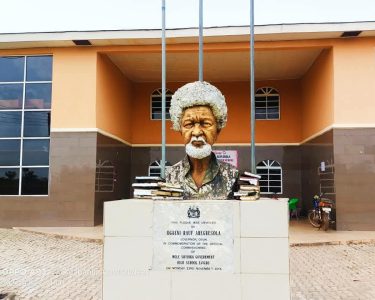
The legacy of Rauf Aregbesola remains central to any honest assessment. His administration expanded education infrastructure through the construction and rehabilitation of thousands of classrooms and the recruitment of over 5,000 teachers. These interventions helped ease pressure on the system and improved access, laying a foundation that cannot be ignored.
However, the absence of sustained follow-through in subsequent years has exposed structural weaknesses. Teacher shortages have re-emerged, classrooms are overcrowded, and learning conditions have deteriorated. The system, once strengthened, is again under strain highlighting a familiar governance problem: discontinuity.
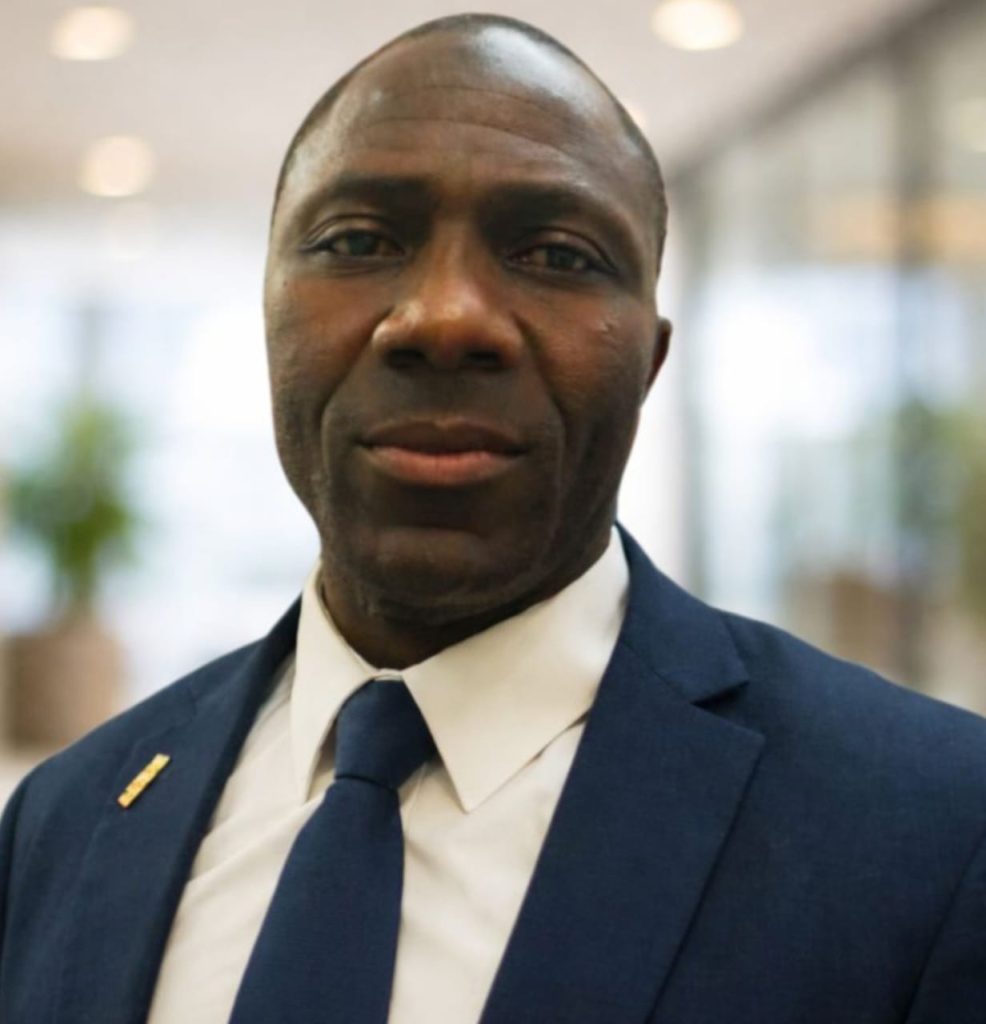
It is within this context that Najeem Folasayo Salaam (PhD), of the African Democratic Congress (ADC), presents his education agenda. His approach is less about disruption and more about consolidation—building on existing foundations while addressing emerging gaps.
At the core of his proposal is the urgent need to expand teacher recruitment to correct the widening student-to-teacher imbalance. Yet recruitment alone will not suffice. His emphasis on continuous professional development, particularly in digital literacy and modern teaching methods, signals an understanding that education reform must go beyond numbers to effectiveness.
The integration of digital skills, critical thinking, and communication into the curriculum reflects an attempt to align Osun’s education system with global realities. In today’s economy, rote learning is no longer adequate. Students must be equipped with adaptive skills that prepare them for a competitive and technology-driven world.
However, these ambitions depend heavily on infrastructure. Smart classrooms, e-learning platforms, and digital tools require stable electricity, internet access, and sustained maintenance. Without these, even the most progressive policies risk becoming symbolic rather than functional.
Dr. Salaam’s infrastructure agenda focused on building new classrooms and rehabilitating existing ones addresses the physical deficits in the system. But schools are more than buildings; they require libraries, laboratories, teaching materials, and supportive environments that foster learning.
The broader issue, however, is governance consistency. Osun’s education challenges are not solely the result of policy gaps but of interrupted implementation. Each administration tends to reset rather than refine, weakening long-term progress.
What Osun requires is not another cycle of ambitious promises, but a disciplined commitment to continuity, measurable outcomes, and institutional stability. Education reform must be treated as a generational responsibility, not an electoral project.
Ultimately, the success of Najeem Folasayo Salaam’s proposals will depend less on their design and more on their sustainability. Osun’s future will be shaped not by the brilliance of its ideas, but by the consistency of their execution.